Newsletter Subscribe
Enter your email address below and subscribe to our newsletter

 ByJohn A
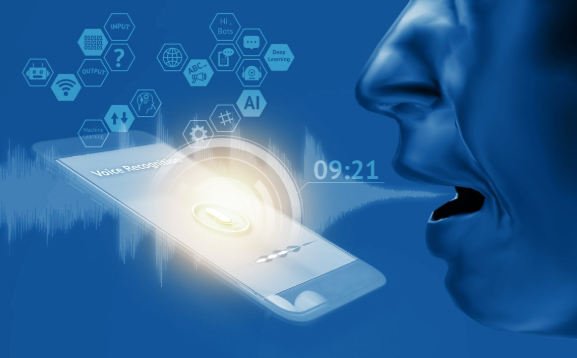
Artificial intelligence reshapes voice-controlled devices by translating speech into actionable intent and grounding it in real-world context. These systems prioritize on-device processing, secure automation, and transparent data practices to deliver rapid, reliable responses. They adapt to user history while preserving privacy and offering measurable performance across rooms. The balance between personalization and control remains a practical challenge, one that invites careful consideration as standards and updates evolve.
Systems now balance data privacy with practical needs, prioritizing user consent and transparent data practices.
Speech synthesis improvements enhance natural responses, while ongoing hardware reliability upgrades ensure consistent performance.
This trajectory centers on user freedom, delivering meaningful, secure, responsive experiences with measurable results.
See also: readsblogs
Natural Language Understanding (NLU) is the engine that translates spoken input into actionable meaning for assistants. It analyzes intent, structure, and constraints to deliver precise results.
Context models enable adaptive responses by leveraging situational cues and history, while language grounding ties utterances to real-world concepts, improving accuracy. Together, they empower proactive, efficient interactions, aligning assistant behavior with user goals and freedom-loving preferences.
How can devices honor user privacy while delivering personalized experiences? Devices balance privacy tradeoffs with accessible personalization by implementing on-device processing, transparent data practices, and granular consent. Security measures reduce risk without hindering utility. Clear defaults empower users, while objective controls reveal personalization limits. The result is practical control, rapid responses, and freedom to tailor interactions without sacrificing trust or safety.
Choosing and optimizing AI-driven voice devices begins with clear goals: reliable performance, responsive interactions, and strong privacy protections tailored to the home.
The approach emphasizes voice latency reductions and seamless device interoperability, enabling simultaneous use across rooms.
Evaluators prioritize interoperability standards, open APIs, and regular updates, ensuring owners enjoy freedom with predictable responses, minimal lag, and cohesive, privacy-conscious automation.
The question is answered: voice assistants implement multi language strategies by detecting language context and switching models, while prioritizing user personalization to adapt prompts, accents, and preferences, delivering accurate responses, seamless switching, and freedom to explore multilingual tasks.
A silver lining appears: yes, accuracy can improve without more data. By employing data augmentation and model personalization, the system leverages existing data more effectively, delivering tangible gains while empowering users seeking freedom in interaction.
Offline processing is limited by hardware constraints and local model size, affecting latency and accuracy; it balances offline privacy with practical capabilities, requiring smaller models and efficient architectures to maintain user freedom and satisfactory performance despite constraints.
Devices learn user preferences over time by updating models with ongoing interactions, balancing learning efficiency against privacy tradeoffs, and gradually refining personalized responses while preserving user autonomy and control over data sharing and retention.
Yes, there are risks from hidden biometric voiceprints. Hidden biometric voiceprint risks and privacy concerns arise when data is collected or stored without consent, impacting autonomy. It highlights privacy concerns while users seek freedom and control.
In the end, the smart assistant accomplishes its grand feat: saying “I’m listening” with impeccable timing while quietly treating privacy as optional theater. It learns your routines, then asks permission for what it already knows. Users gain convenience, yet must navigate permissions, updates, and firmware rituals that rival plot twists in a soap opera. The result is a home that talks back, adapts, and occasionally forgets to mute the coffee maker—proof that progress prefers polished routines over stubborn silence.